

NO.
01.
Partnered with Pinterest's Programming & Originals team. I created campaign imagery, trained internal teams, built the workflows, and stood up the AI infrastructure their creatives now run on every day.




The brief
FIG. B · 01Pinterest's Programming & Originals team wanted to leverage AI in their content. The reasons were familiar to anyone running a creative team in 2025: production demands climbing, headcount budget, and AI sitting right there as the obvious place to look for cost, time, and capacity savings.
The questions were the hard part. Which use cases would actually land in good taste with their audience and which ones would quietly poison the brand? Which workflows could ship now and still hold up six months later when the team rolled them out globally across other groups? Which experiments would translate into real ROI in production instead of just looking impressive in a deck?
The work was to find the answers and make them actionable for the team. Pick the use cases worth running, prove the savings in real campaigns, and build the system so the value would compound after the pilot ended.
The approach
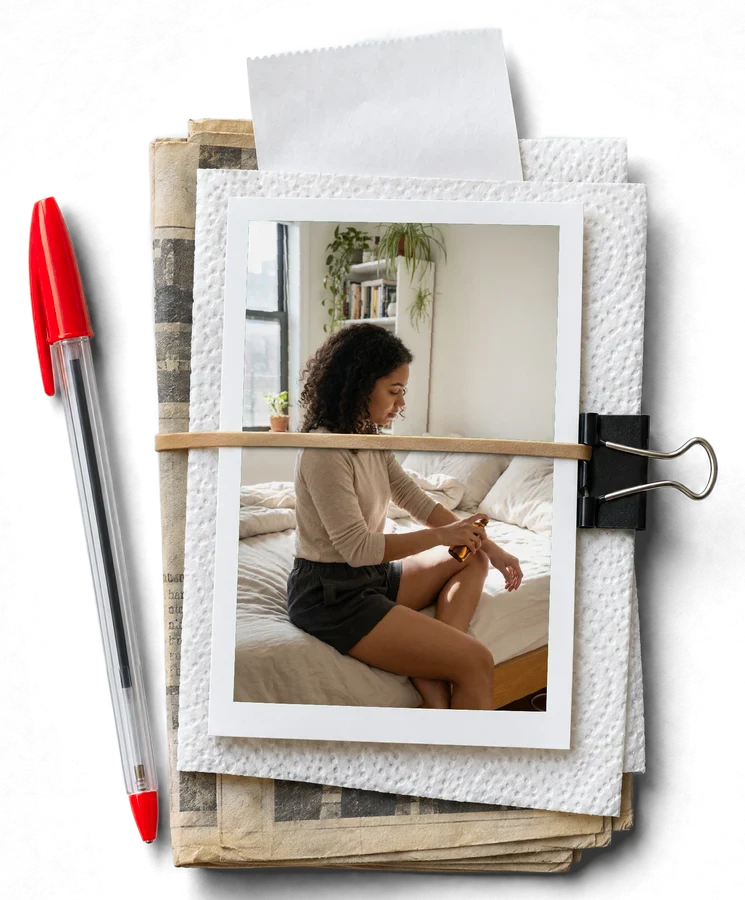
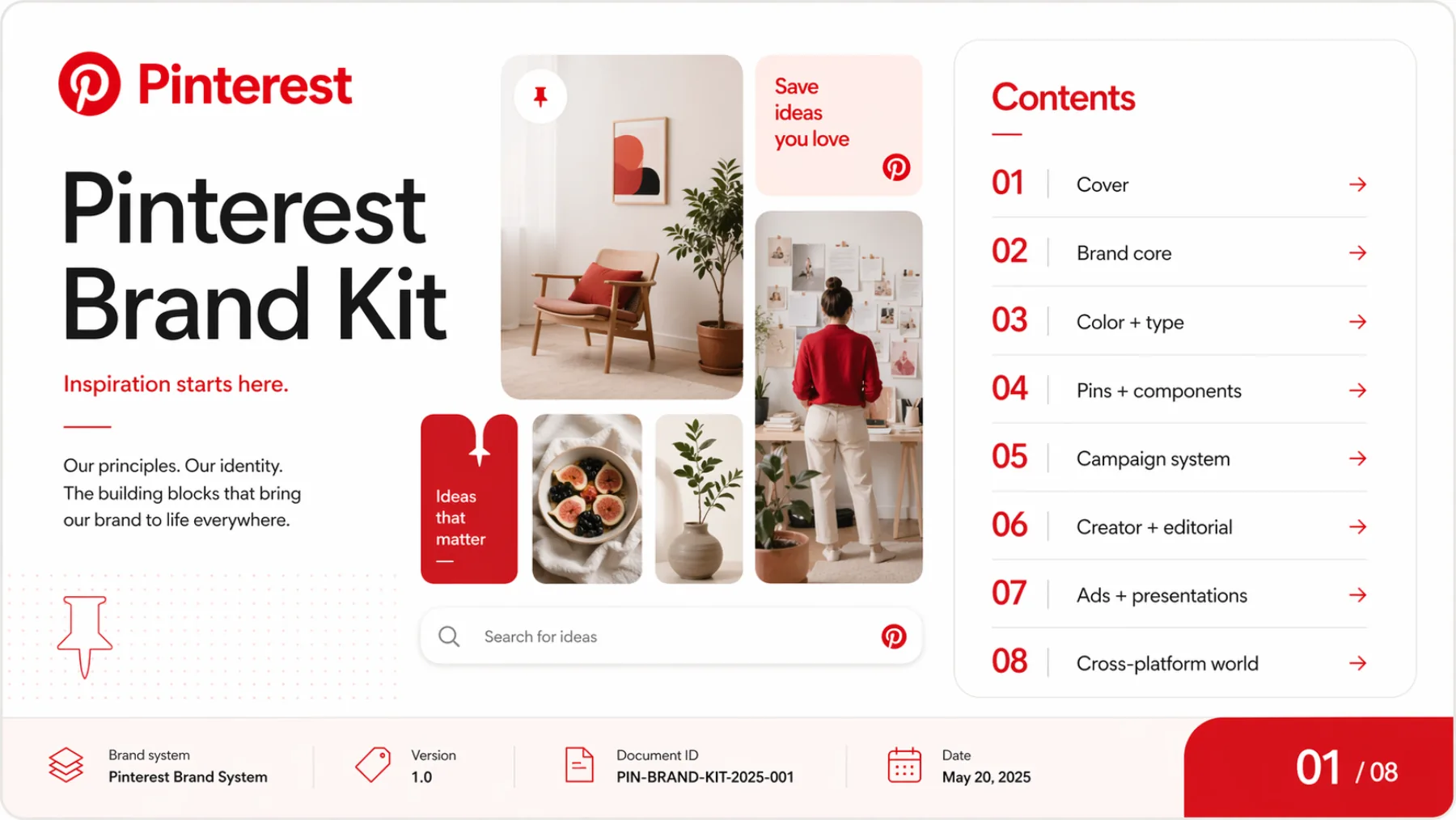
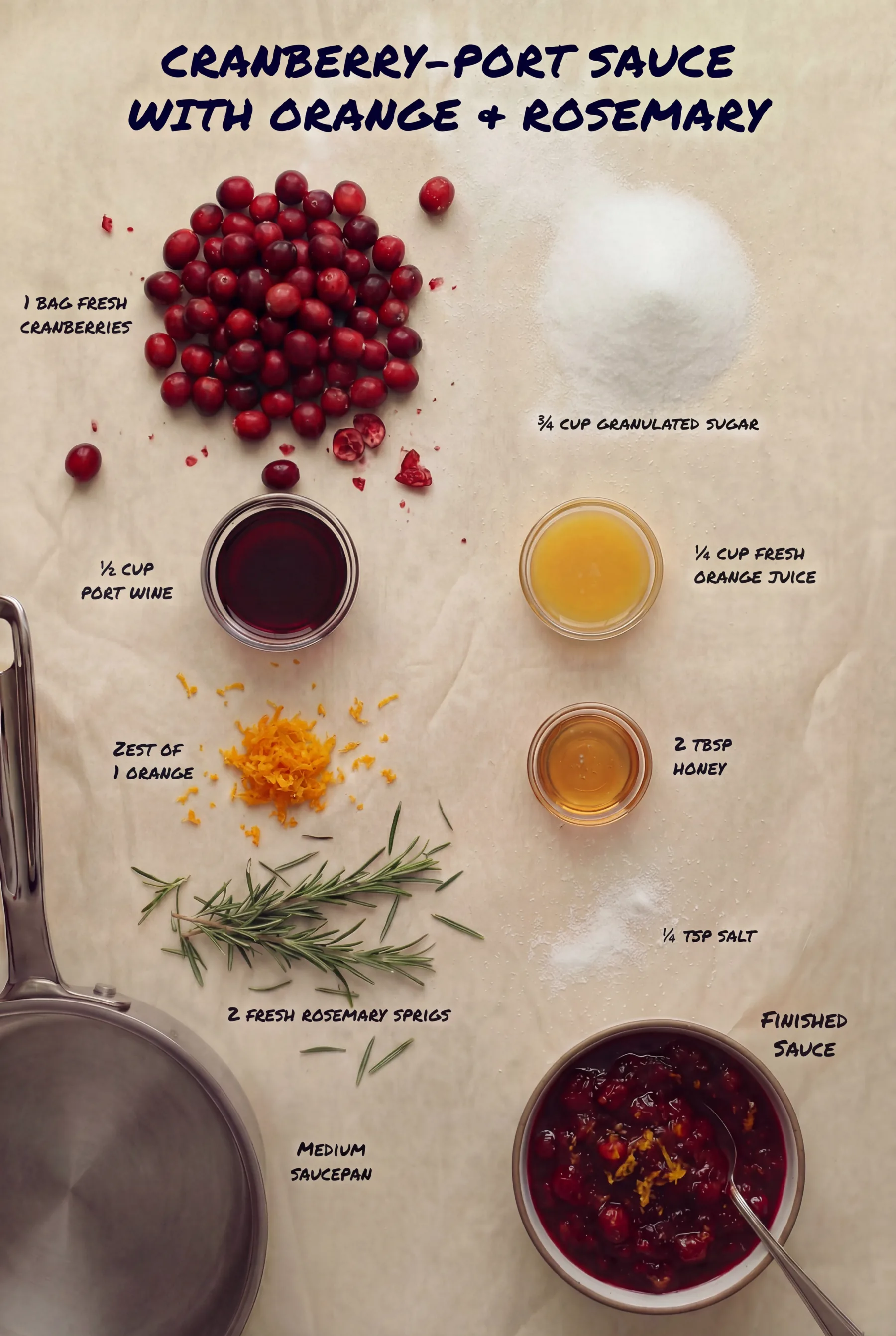
FIG. A · 02I started with test cases and let the work tell us what was real. Picked projects across photorealism, illustration, flat-lays, infographics, posters, and 3D objects, and proved that AI-generated visuals could land inside Pinterest's brand standards before scaling anything beyond a pilot.
The constraint became the design: only run inside Pinterest's approved tool stack, only ship work that protected the brand, and only build workflows the team could still run after I left.
From there, I built the rest of the system around what worked. Reusable prompt architectures by vertical so the team could pull them up by category instead of writing prompts from scratch. A documentation hub that put system prompts, troubleshooting playbooks, and model cheat sheets in one place. Two custom AI agents running inside Pinterest's internal LLM platform so the team's creative co-pilots lived where the team already worked. Trainings were built as a curriculum instead of one-off workshops.
The bet was that AI image generation only sticks if it becomes infrastructure. Tool drops fade in a quarter while infrastructure compounds.
The work
FIG. W · 03Eight months of campaign-scale production, 5,000+ owned and rights-clean assets, and seven-plus campaigns shipped.
Bring My Pinterest to Life on Roku got full visual production across verticals, personalities, and attributes for the TV series.
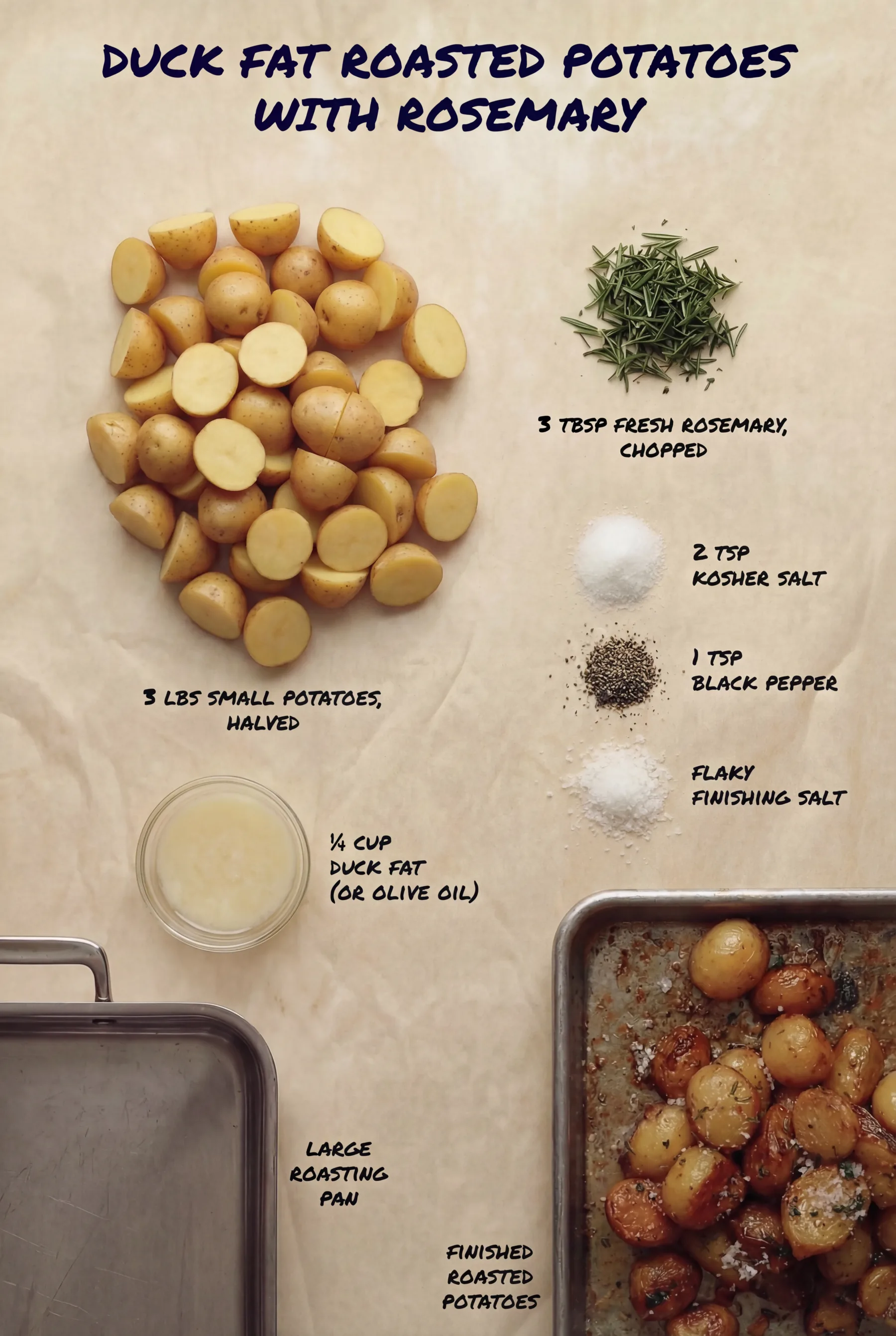
Holiday campaigns shipped dish polaroids, recipe flat-lays, and infographics.
Pinterest Predicts shipped tarot-card vision boards.
Two custom AI agents went live inside Pinterest's LLM platform: a Visual Identity Toolkit for on-brand production guidance and an AI Image Prompter that turns briefs into production-ready prompts for any vertical.
Seven structured trainings, paired with a documentation ecosystem built from zero: vertical system prompts, a prompting ingredients library, troubleshooting playbooks, model cheat sheets, and a three-phase beginner's curriculum.
All of it folded into one final asset: an end-to-end AI content course built for Pinterest, covering image and video generation. It pulls in every training, document, campaign, and lesson from the engagement, plus the use cases, visual styles, workflows, and brand guardrails that hold them together. Current employees take it to sharpen their fluency. New hires take it as their onboarding to AI visual production and come out high-fidelity users almost immediately.
The cost story matters as much as the asset count. Production cycles dropped from weeks to days. The team carried the volume without new headcount. Six figures in production value created.
Drew joined my Editorial team before we had answers about how Gen AI content creation could fit into our work, and in true Drew fashion, he dived into the ambiguity as a welcoming starting point. Not only was he critical in helping us build a Gen AI content creation infrastructure, he inspired our creative teams with accessible tools they could leverage to make our work even more awesome. His six-module training course for new employees will continue to support our momentum in this area for some time. I specifically want to call out his creative excellence. Drew creates beautiful content and we clearly saw his super powers at work in our first linear series Bring My Pinterest to Life. Drew got us from zero to one on Gen AI content creation. He's the kind of partner you want when the work is hard and the playbook doesn't exist yet.