
NO.
04.
Buddy
Built an AI visual asset library that captured their brand identity in production-quality imagery. Solved the gap between generic stock photography and the cost of global photo shoots, with assets the whole org could pull from for any channel.
 BRAND WORK · 2024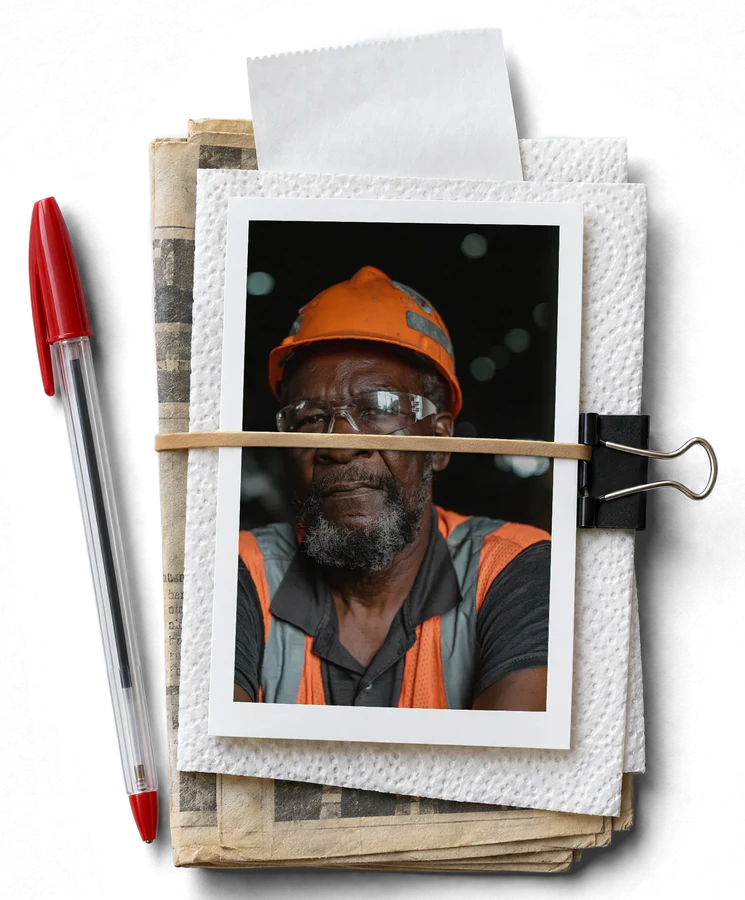
The brief
FIG. B · 01Buddy knew AI visuals were a direction they wanted to head, but they hadn't figured out how to get there in a way that actually held their brand. The economics were the obvious driver. Hiring photographers across multiple geographies for the volume of imagery their teams needed wasn't going to scale, and stock photography wasn't going to do their brand any favors. There was a gap in the middle, and AI visuals were the only thing that could fill it at the volume Buddy needed without losing the brand in the process.
The work was to take Buddy's existing brand identity and visual DNA and turn it into a library of AI-generated assets the whole organization could pull from. The library had to read as real photography, hold the brand at every touchpoint, and live across every surface Buddy put their name on.
The approach
FIG. A · 02The work started before any assets got generated. I sat down with Buddy to map the ideal state of their visual identity and codify it into clear guidelines, including the dos and don'ts that told us when an image was on-brand and when it had drifted. That document became the spec for everything that followed.
From there, production had to hit volume without dropping consistency. Every asset had to read as real-life photography, because the whole point was to fill the gap stock photography left open. That meant building category by category, with prompt architecture mapped to each visual type, lighting and composition cues that kept every image grounded in real photography, and a quality bar that held steady as the library grew.
The bet was that the library itself was the value. One hero image is replaceable but an entire library the whole team can pull from compounds. Once the assets were there and the team could reach for them on demand, the stock workarounds stopped and the brand started holding together on its own.
The work
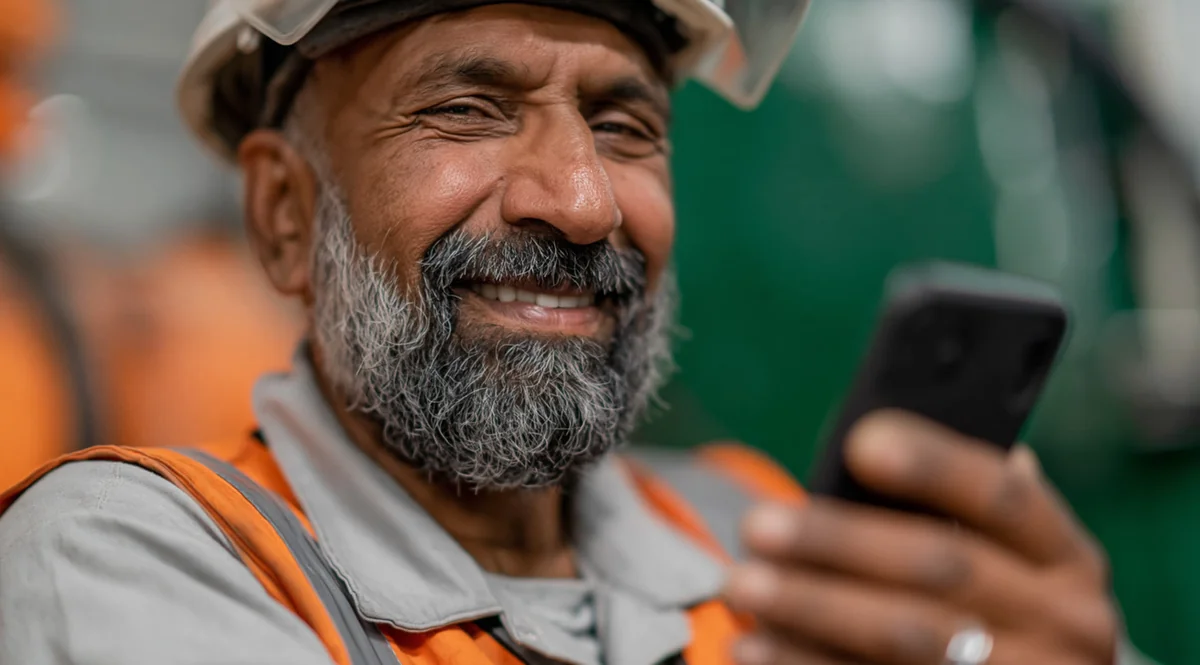
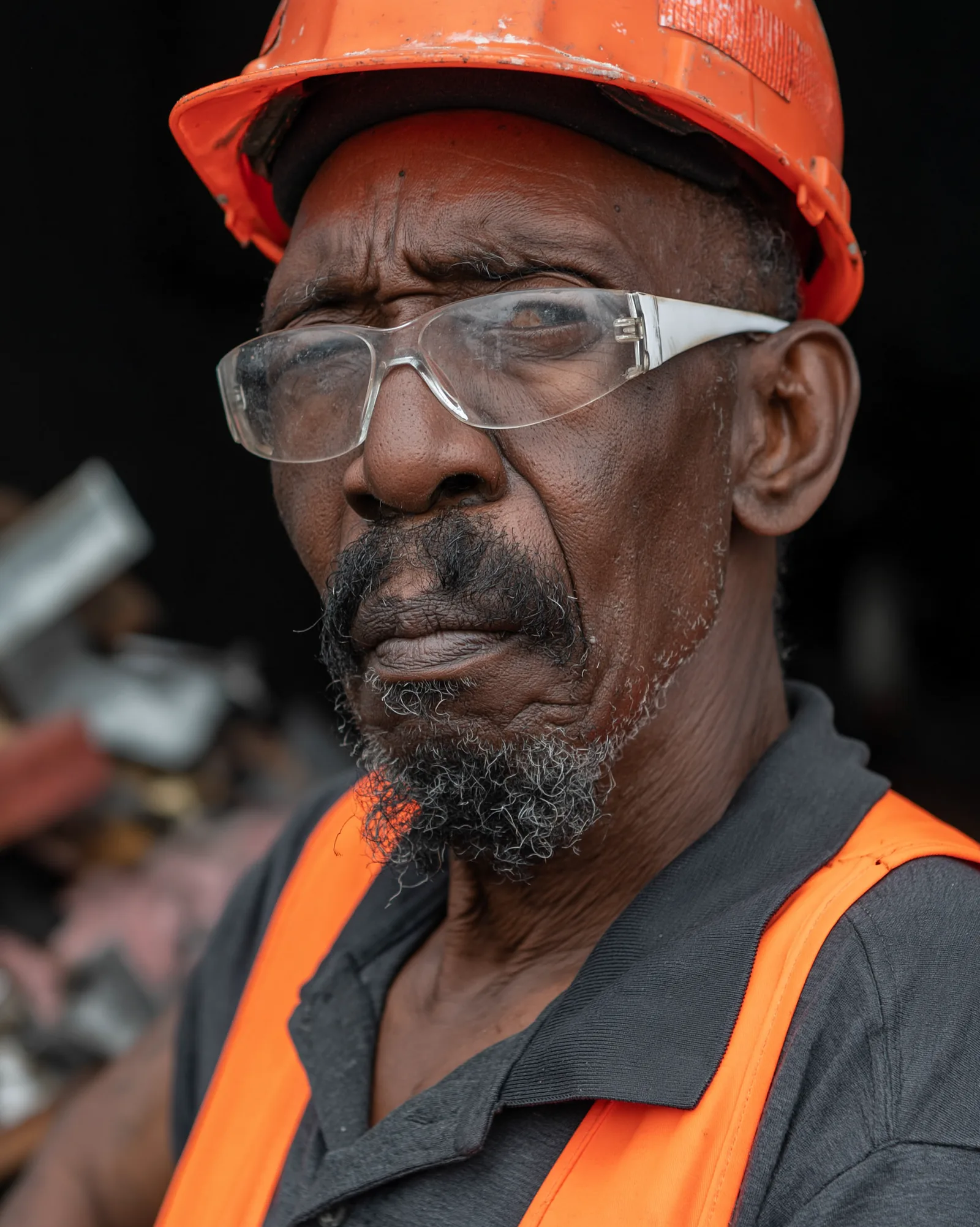
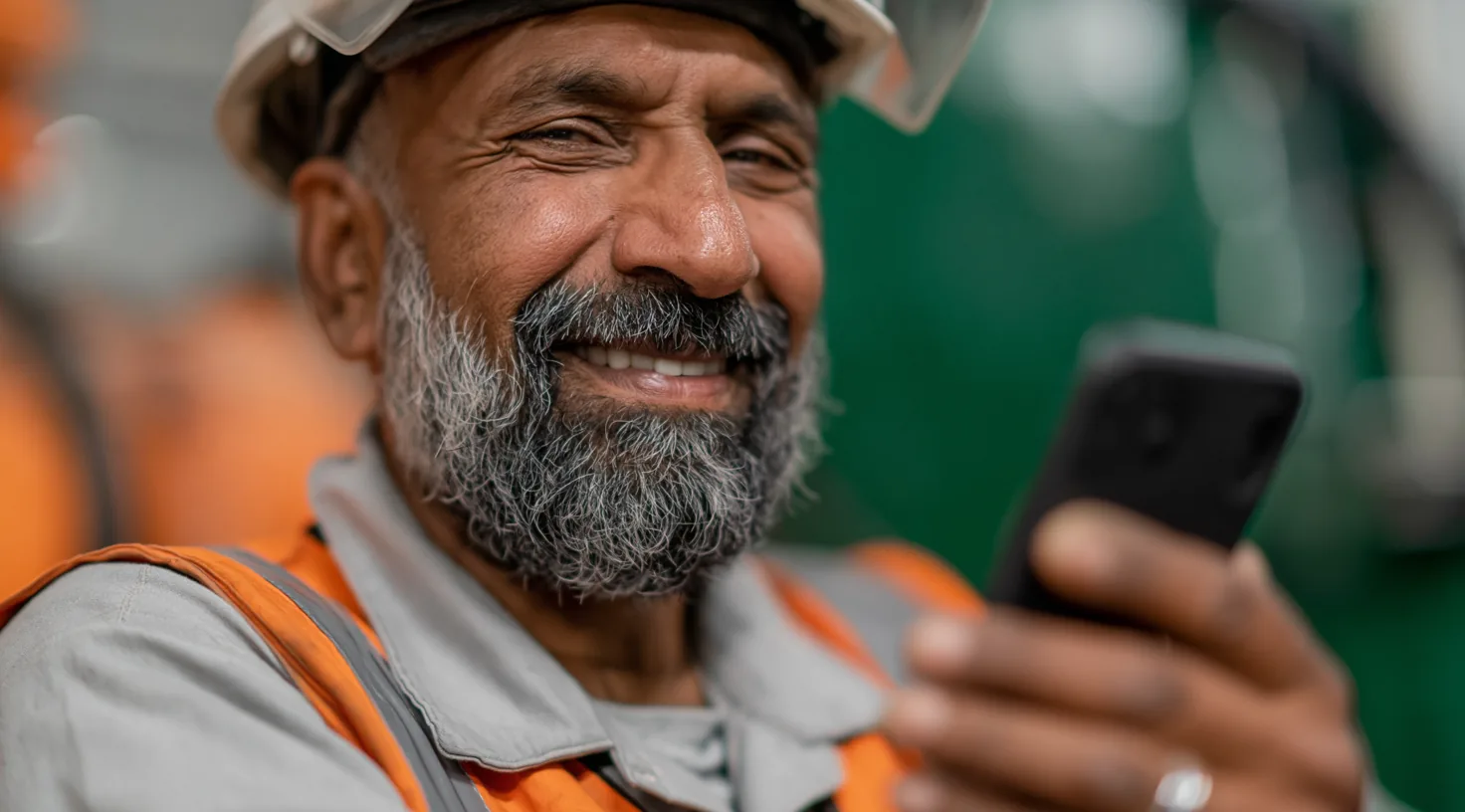
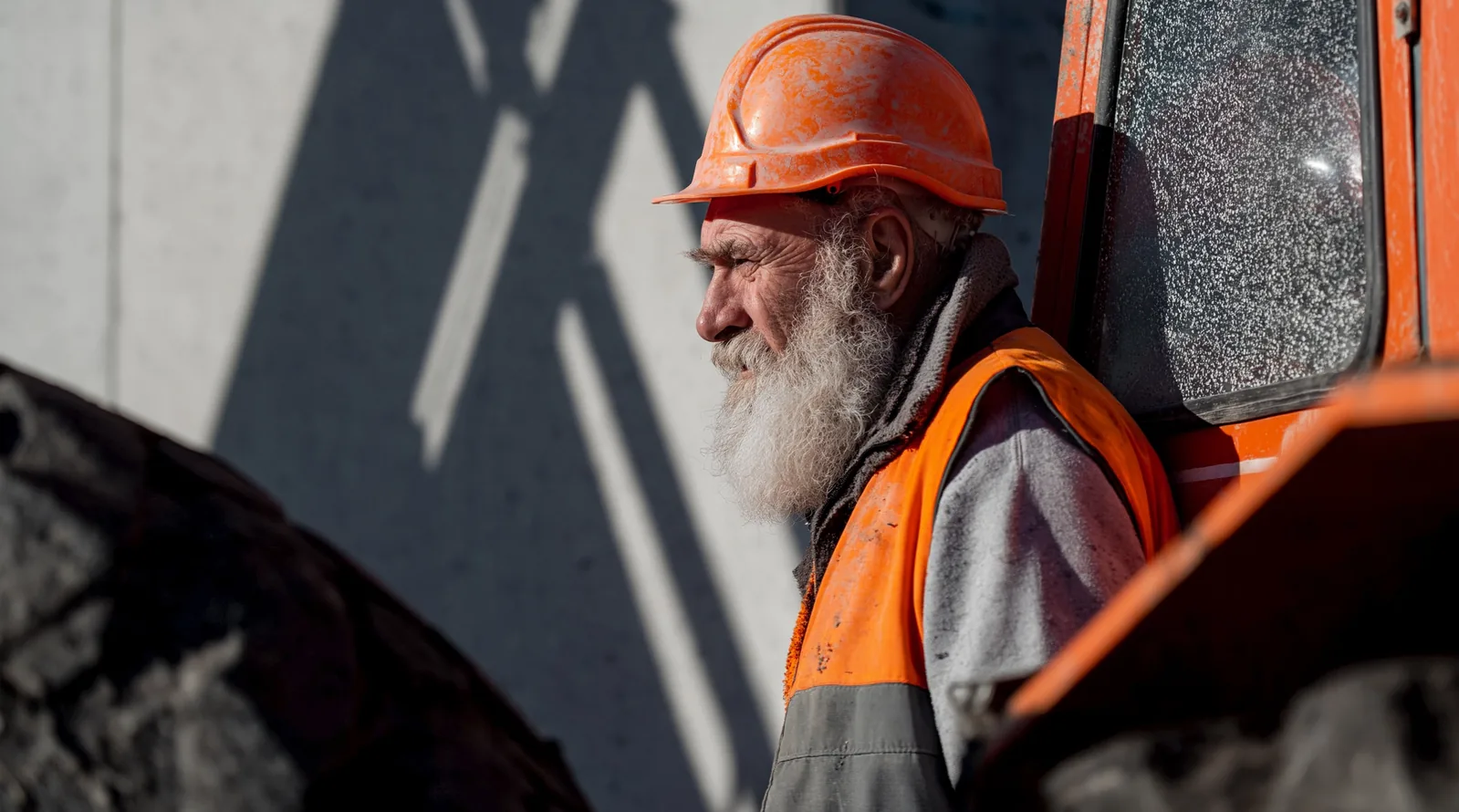
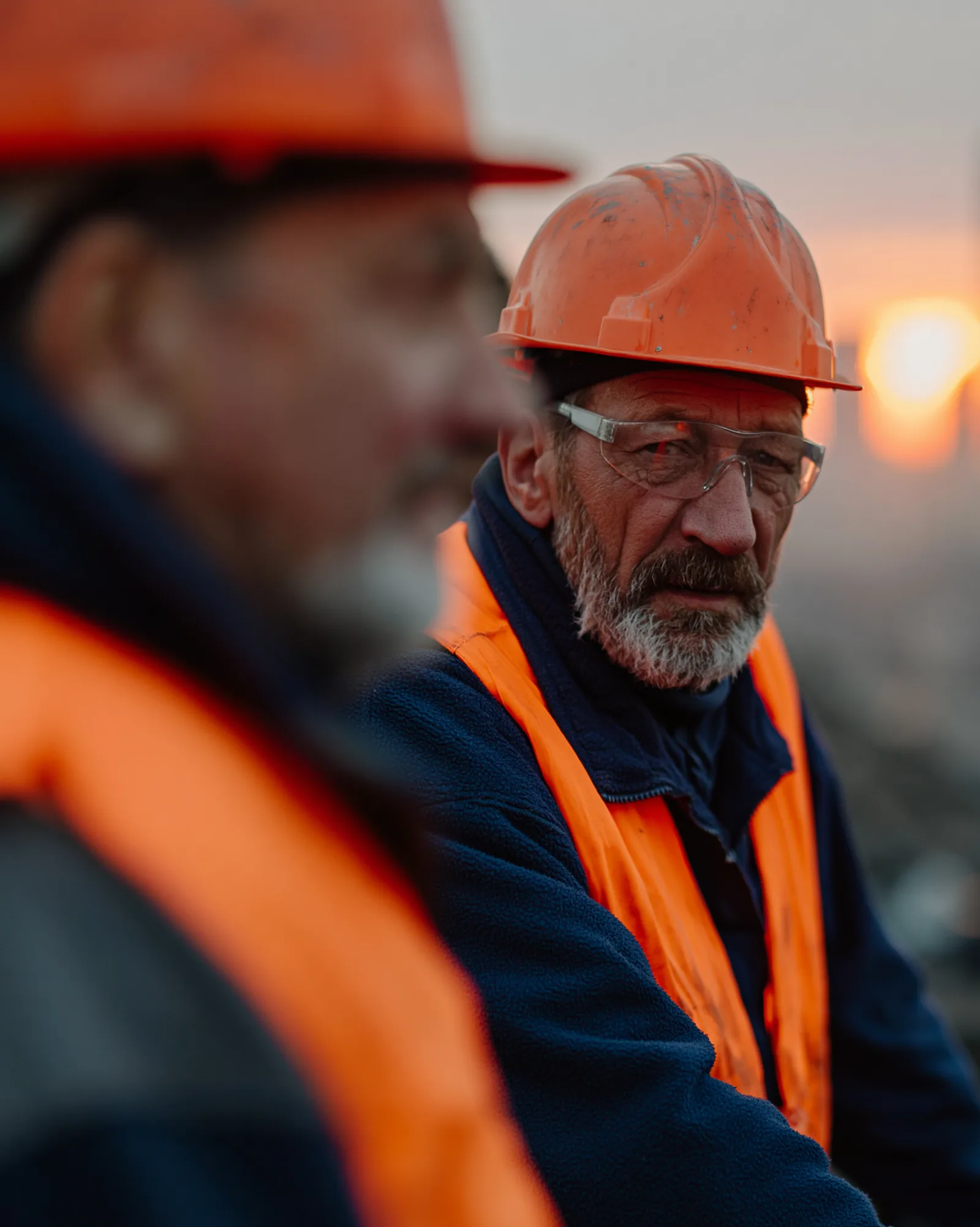
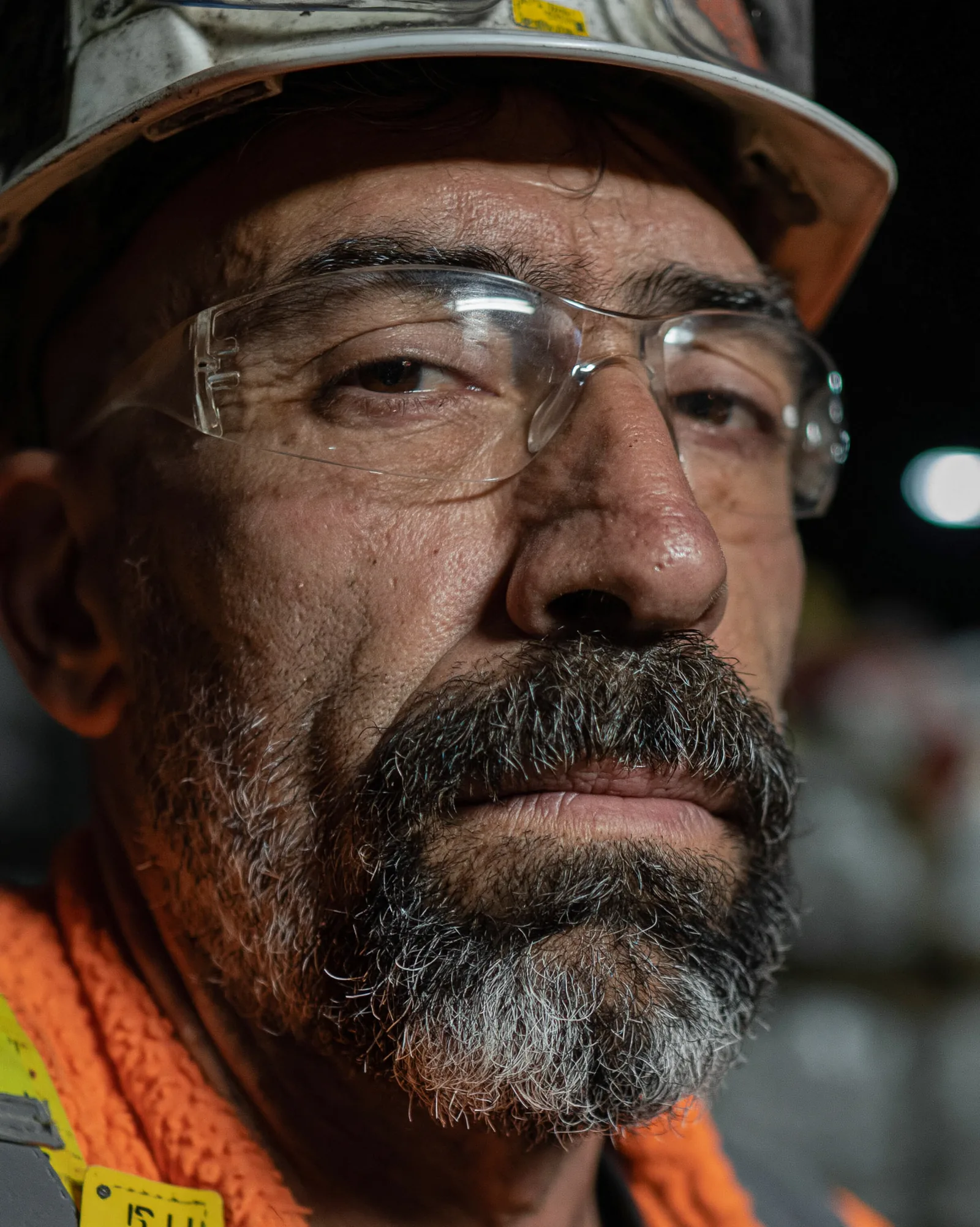
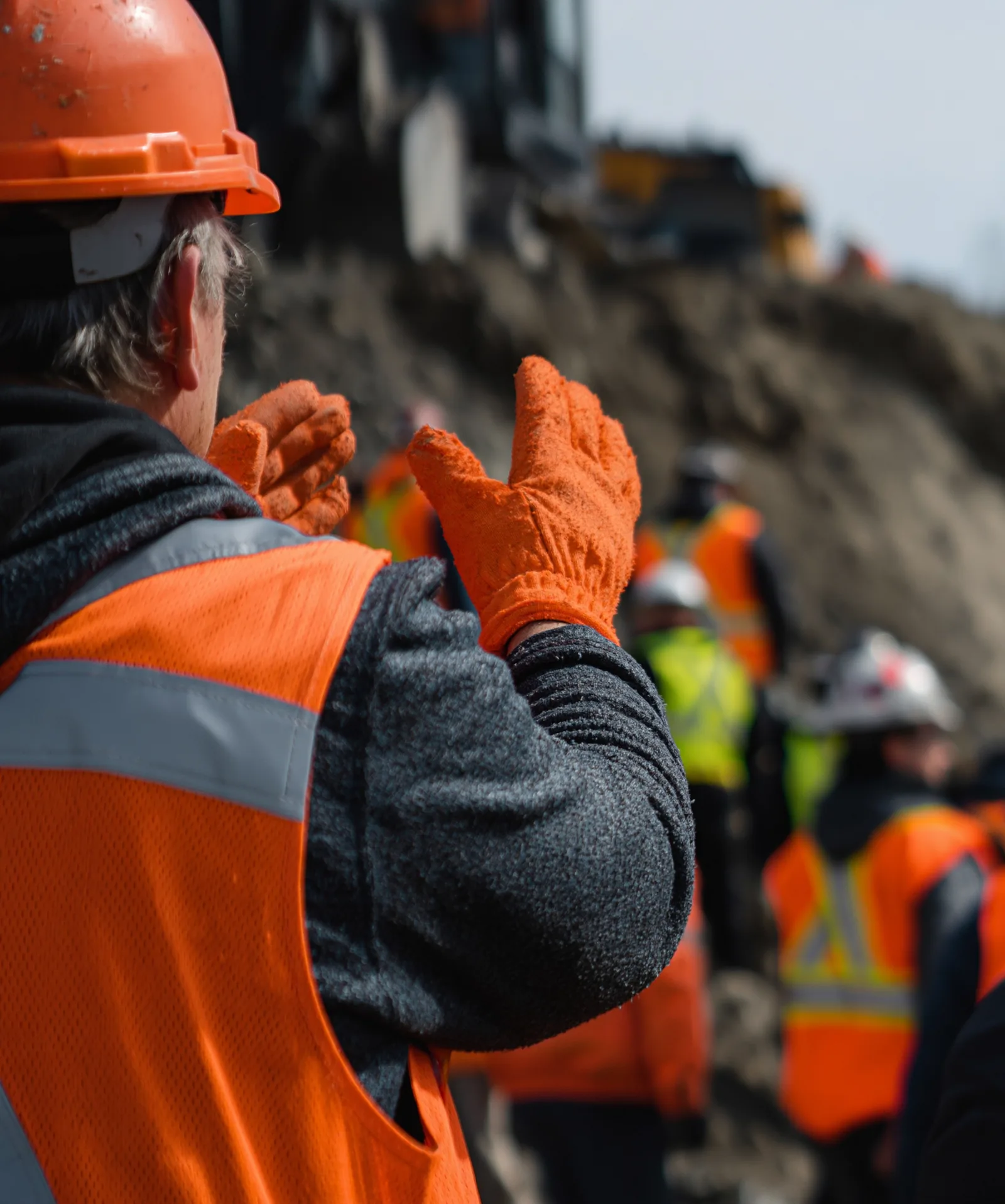
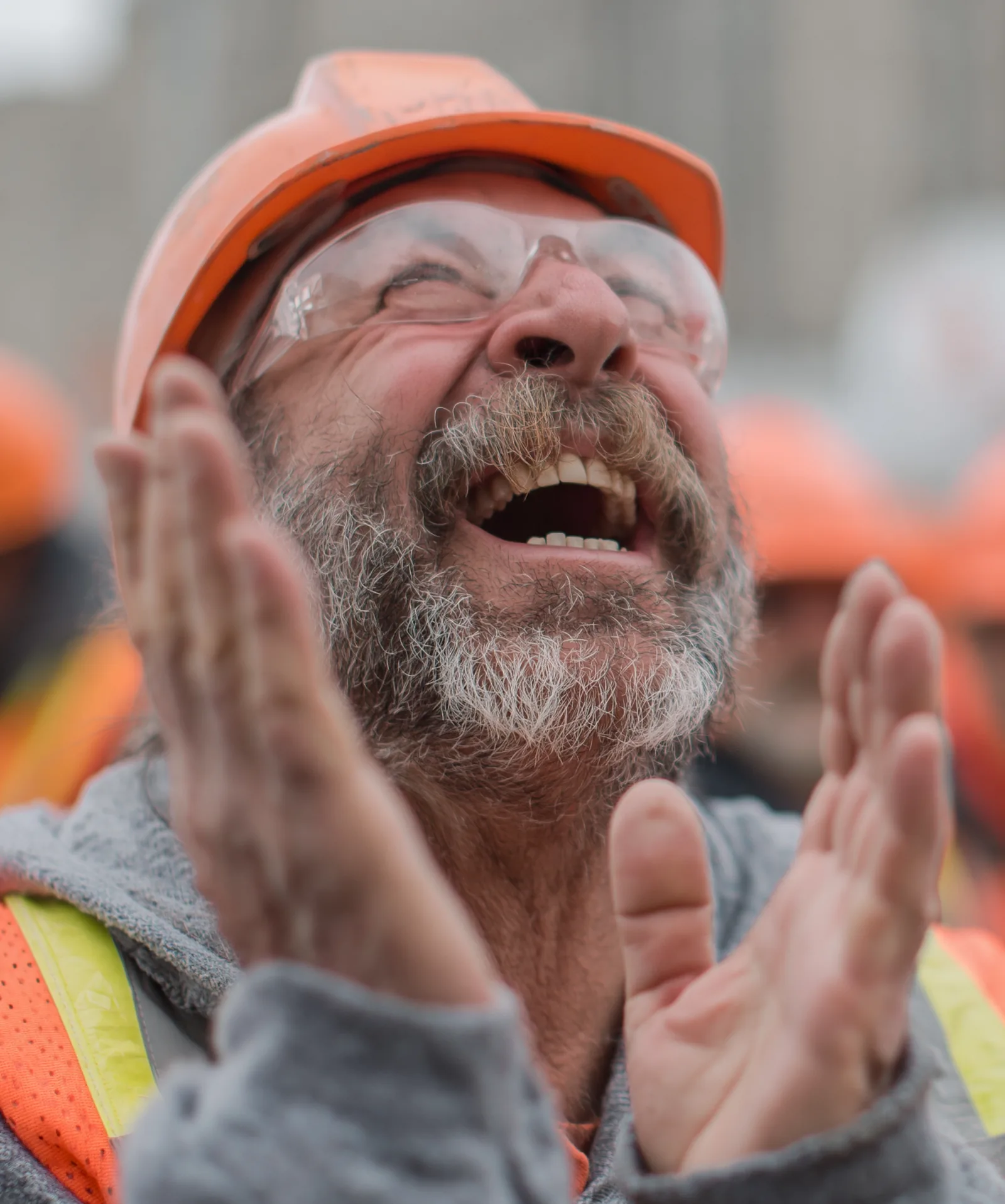
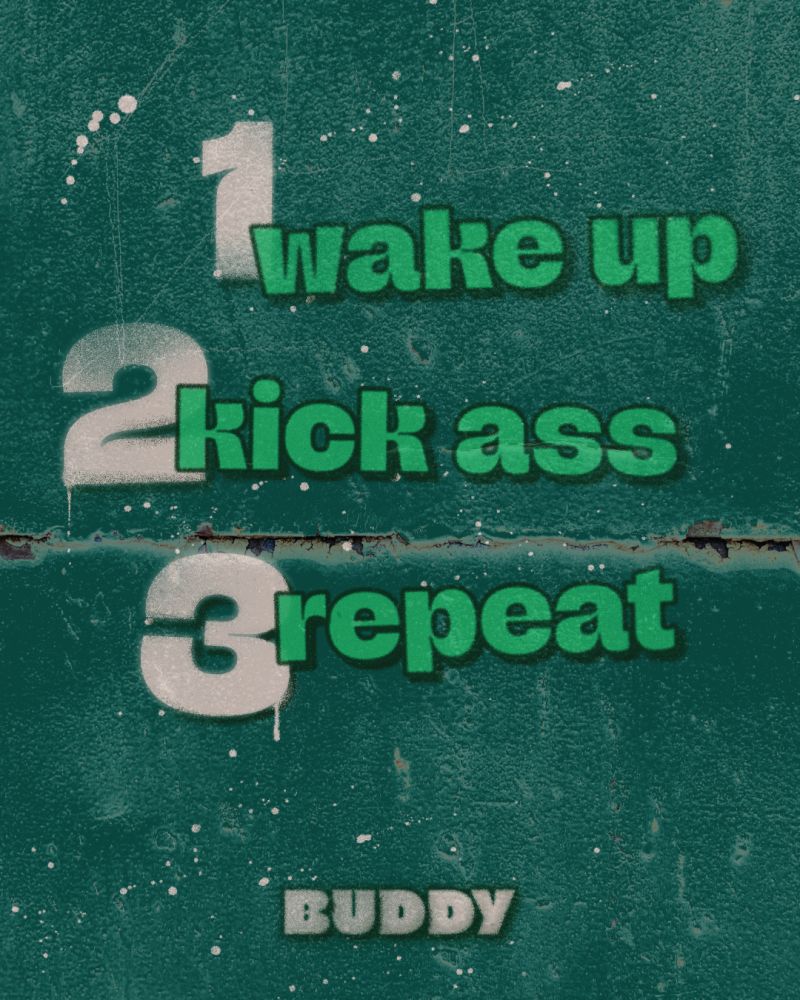
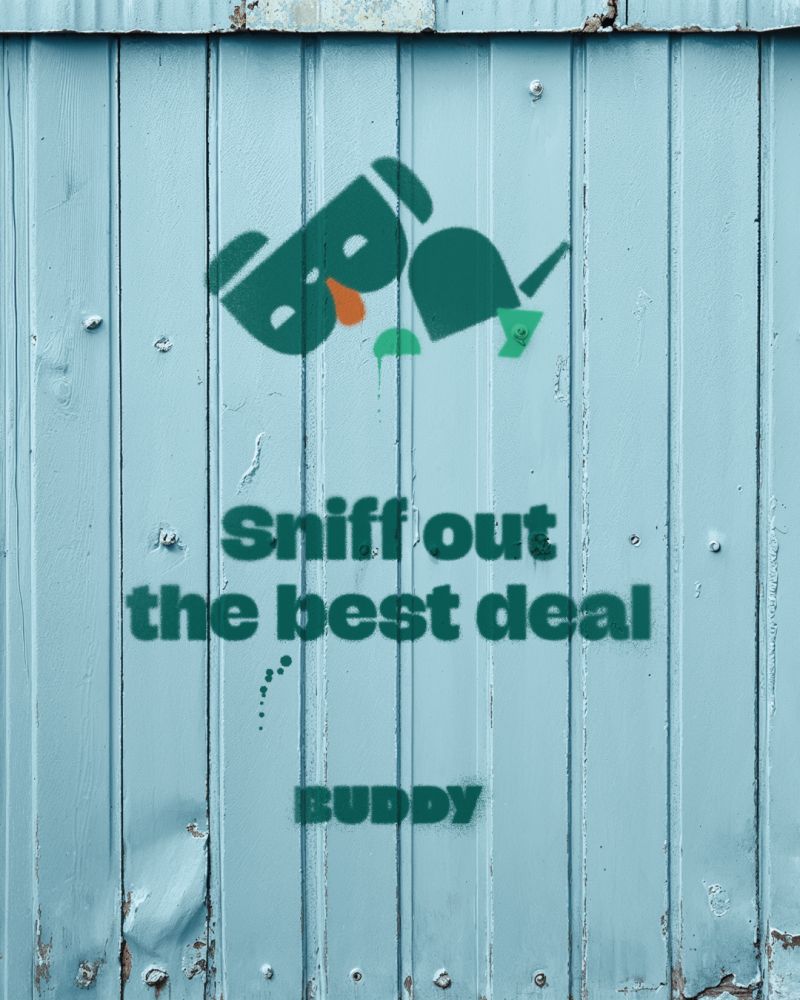
FIG. W · 03A library of AI-generated brand visuals built for Buddy, sized to cover their full visual surface area: website, social channels, sales decks, leadership presentations, marketing collateral, and every other asset need across the organization.
Every image was produced to read as real-life photography. The constraint was the design. If an asset looked AI-generated, it didn't make the cut. If it looked off-brand, it didn't make the cut. The bar was that someone scrolling past a Buddy asset shouldn't be able to tell whether it was photographed or generated, and if it caught their eye, it should feel like Buddy and only Buddy.
The library was built to be self-serve. Marketing pulls from it for campaigns. Leadership reaches for it before presentations. Other teams tap in whenever they need a visual to back up their work. It became part of how Buddy operates rather than a one-off project that got delivered and forgotten.
What changed for Buddy was the math. Hiring photographers across the geographies they operate in wasn't going to scale at the volume the company needed, and stock photography wasn't going to hold the brand. The library closed that gap and gave Buddy a third option that didn't compromise on either side.
Drew provided us with a universe of new possibilities. Armed with an entire library of owned, realistic, on-brand visuals, we were able to create better content, faster. That allowed us to stand leagues apart from the competition and drive more meaningful relationships with our potential and current customers.